Data Feminism & Design Justice

How do our choices shape whose culture becomes data?

Reviewing Homework

Source & Style Volunteers?

Doing It Live Volunteers?

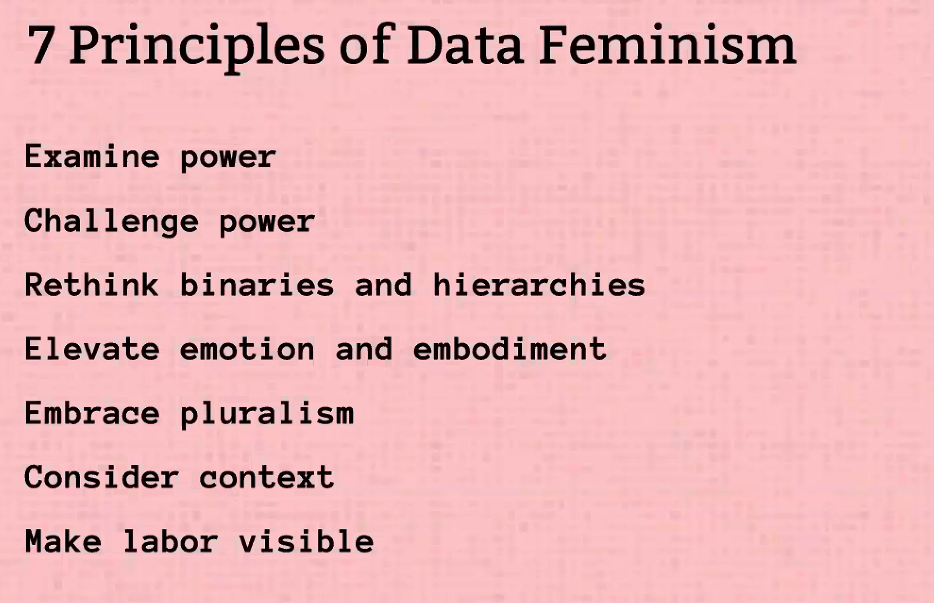
Data Feminism

The Power Chapter

  • Why do the authors start with the experience of Serena Williams? What happened to her and why is it emblematic?
  • What is the problem of “nobody counting” or “particularly weak” data collection?

What do the authors mean by “examine power”?

What is the Matrix of Domination?

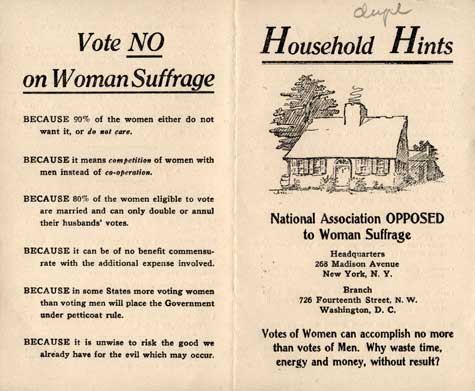
How does this relate to voting rights?
What is the difference between a minority and a minoritized group?
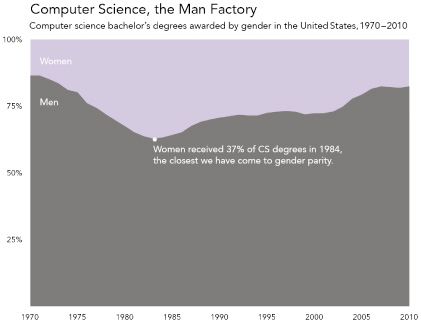
What is the privilege hazard and OPP?

What Counts Gets Counted Chapter

  • How does this privilege hazard and matrix of domination impact “what gets counted counts”?
  • How did it shape the experiences of Maria Munir, or female screenwriters in the UK, or the ProbPublica reporting on maternal health?

What are classification systems?

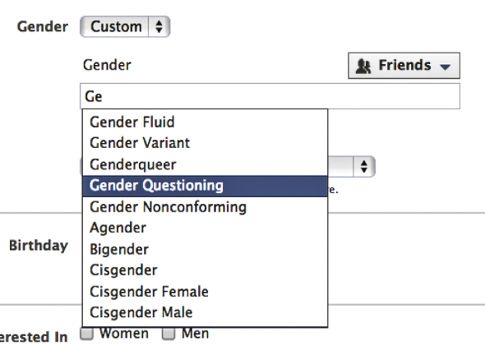
What are their dangers and what was the problem with Facebook’s gender classification system?
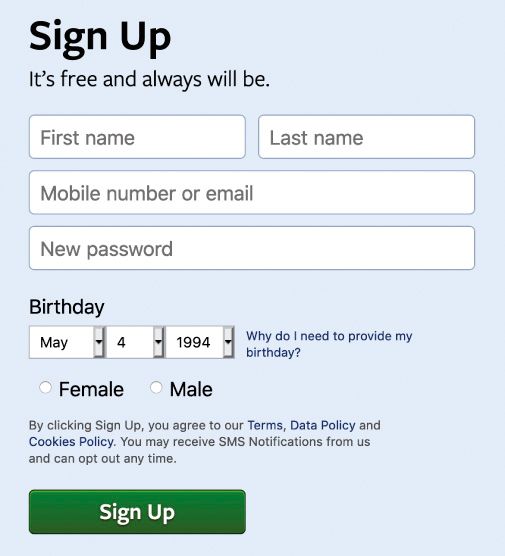
Why can’t we just build better or more accurate classification systems?

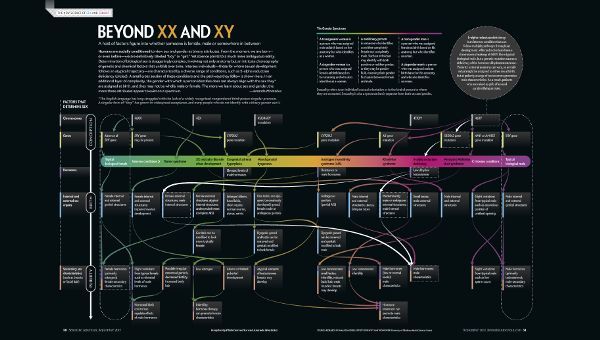
Why is gender particularly difficult category to collect? How does this relate to rethinking binaries and hirearchies?

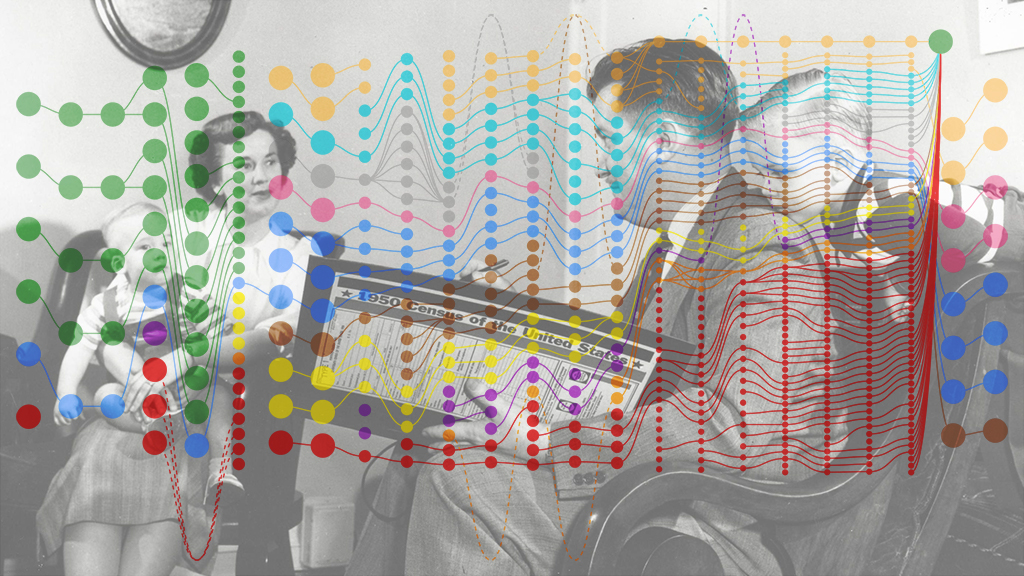
Example of the Census

Barrett, Alec and TWO-N. “The Evolution of the American Census.” The Pudding. https://pudding.cool/2020/03/census-history/.

Example of Pockets

Diehm, Jan, and Amber Thomas. “Women’s Pockets Are Inferior.” The Pudding, August 2018. https://pudding.cool/2018/08/pockets/.

What is the Paradox of Exposure and how does that relate to binaries?

What is the solution?

Couldn’t we just solve the problem with just diversifying datasets?

What is ground-up or counter-data collection?
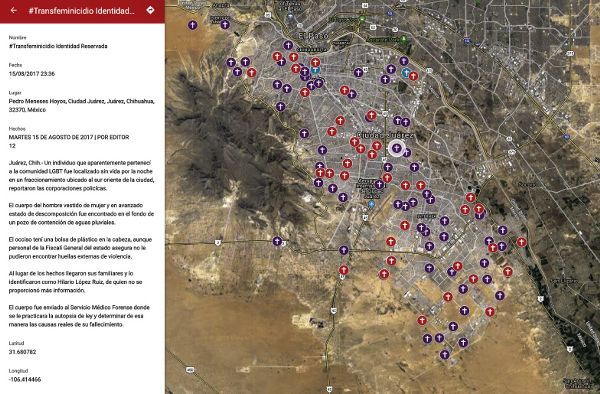
Gender Violence At The Border Dataset
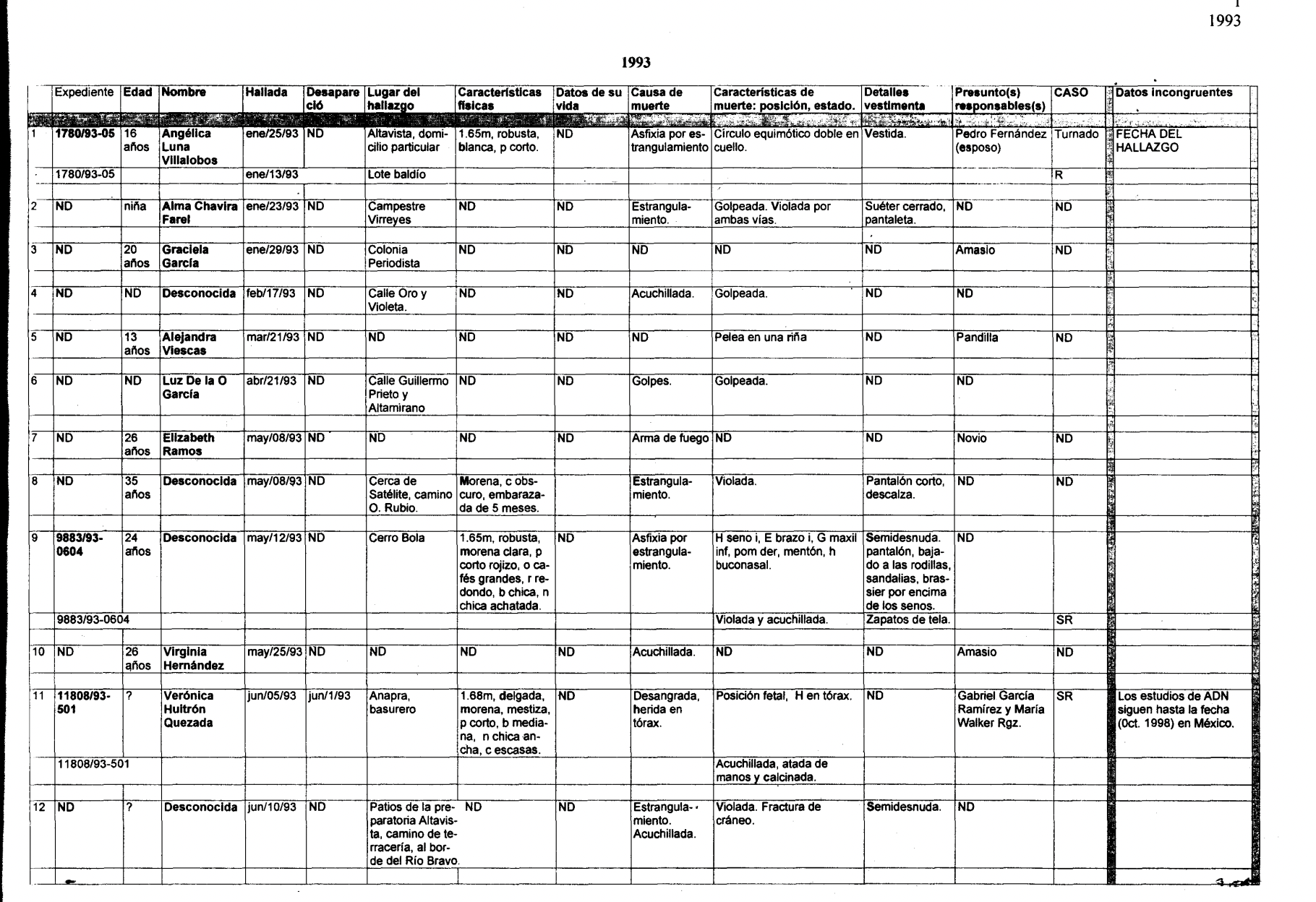
Example of SUCHO

How can data visualization also help?
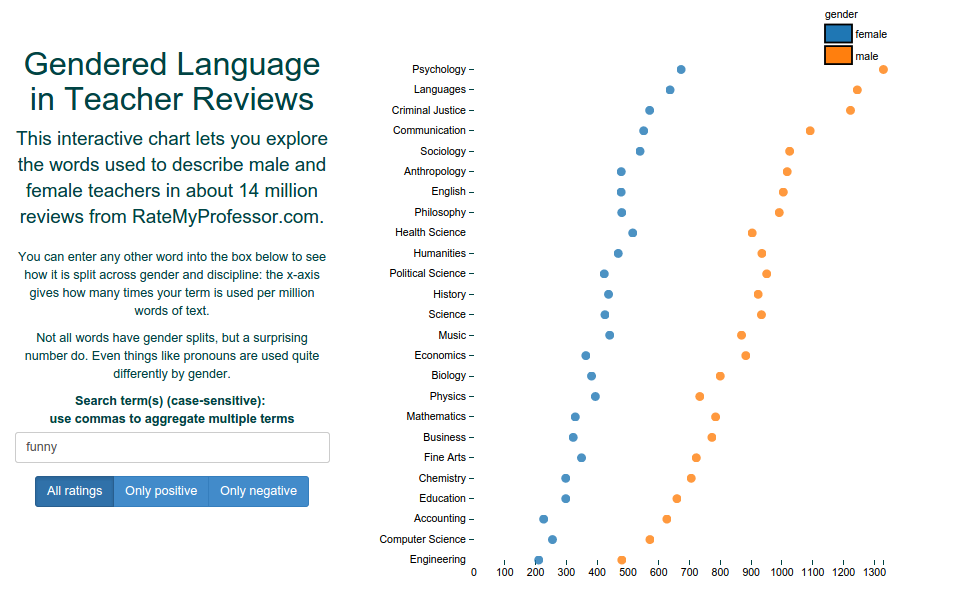
Example of ProfGender
How can documentation help as well?

Final Questions

  • Whose goals get prioritized in data science?
  • Can we do good with data?