What does it mean to represent culture as data?
Today’s Agenda
Any questions before we start?
As of this morning:
| Section | Completed | Current Students | Missing |
|---|---|---|---|
| A | 14 | 22 | 8 |
| B | 25 | 27 | 2 |
| Total | 39 | 49 | 10 |
10 current students still need to complete the survey. Please complete this ASAP so I can finalize groups for Thursday’s class. Link is on Canvas, and please reach out if you have any issues accessing it.
By now you should have your git configuration setup and have a GitHub account, but feel free to look back at our course tools lesson if you’re having any issues.
Before we move to GitHub:
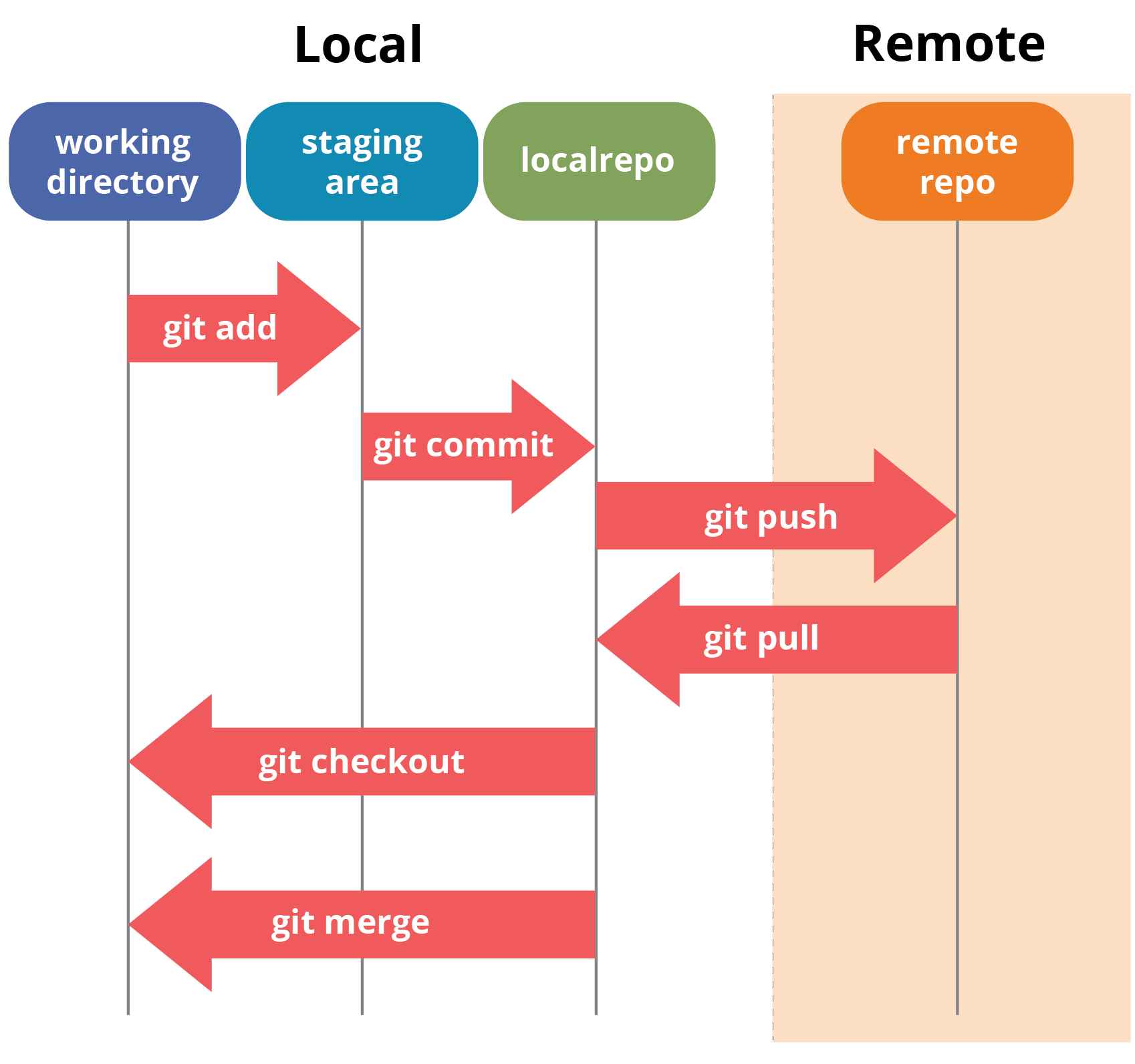
git status tell us?git add and git commit?

is310-first-repoFirst Commit
First Commit With README
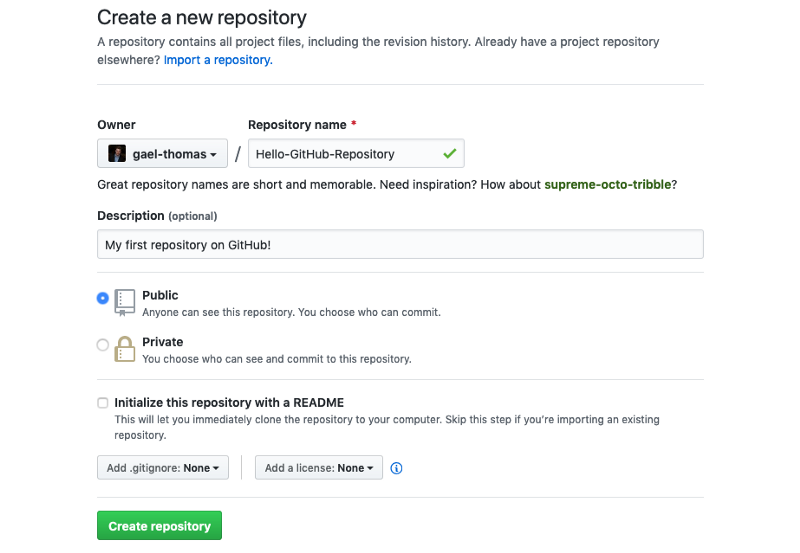
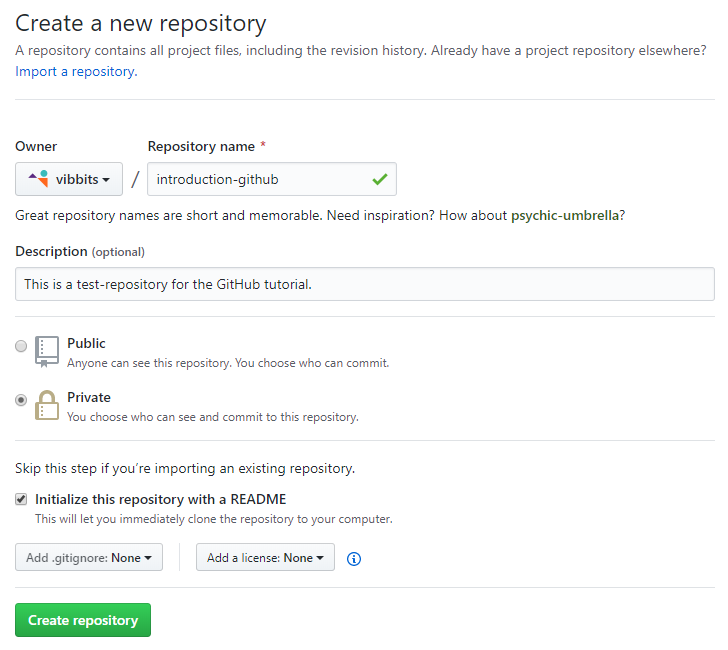
To understand what each button does feel free to browse through our advanced git and GitHub resource, but first let’s try to get our local repository onto GitHub.
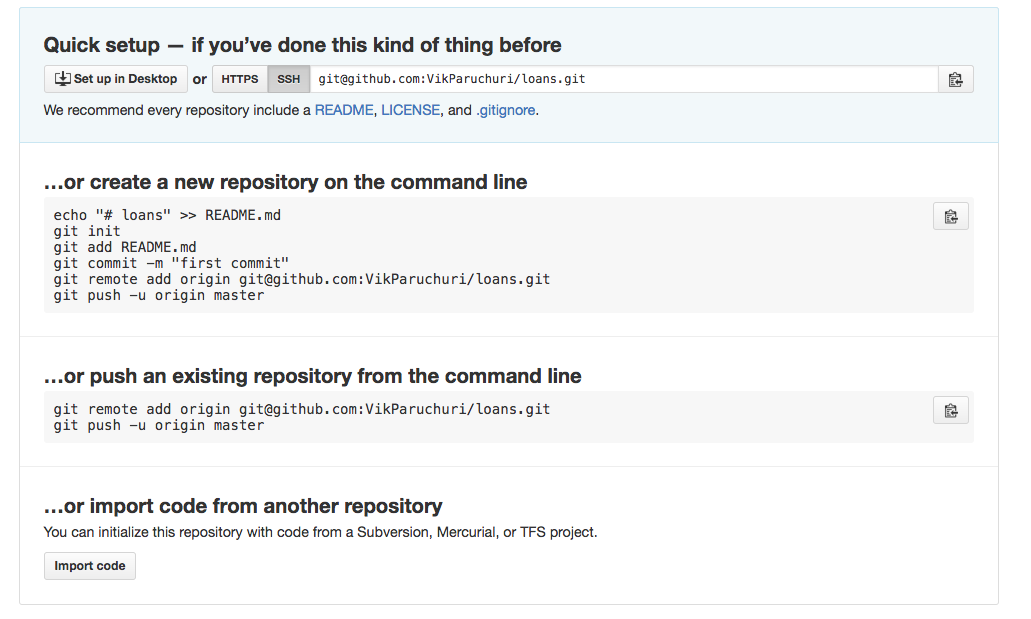
Add your GitHub repo as a “remote”:
Verify it worked:
Send your local commits to GitHub:
If you see a fatal error that looks like this:
Tired of entering your username/password?
SSH keys let you connect securely without credentials.
You can find instructions on how to do it here
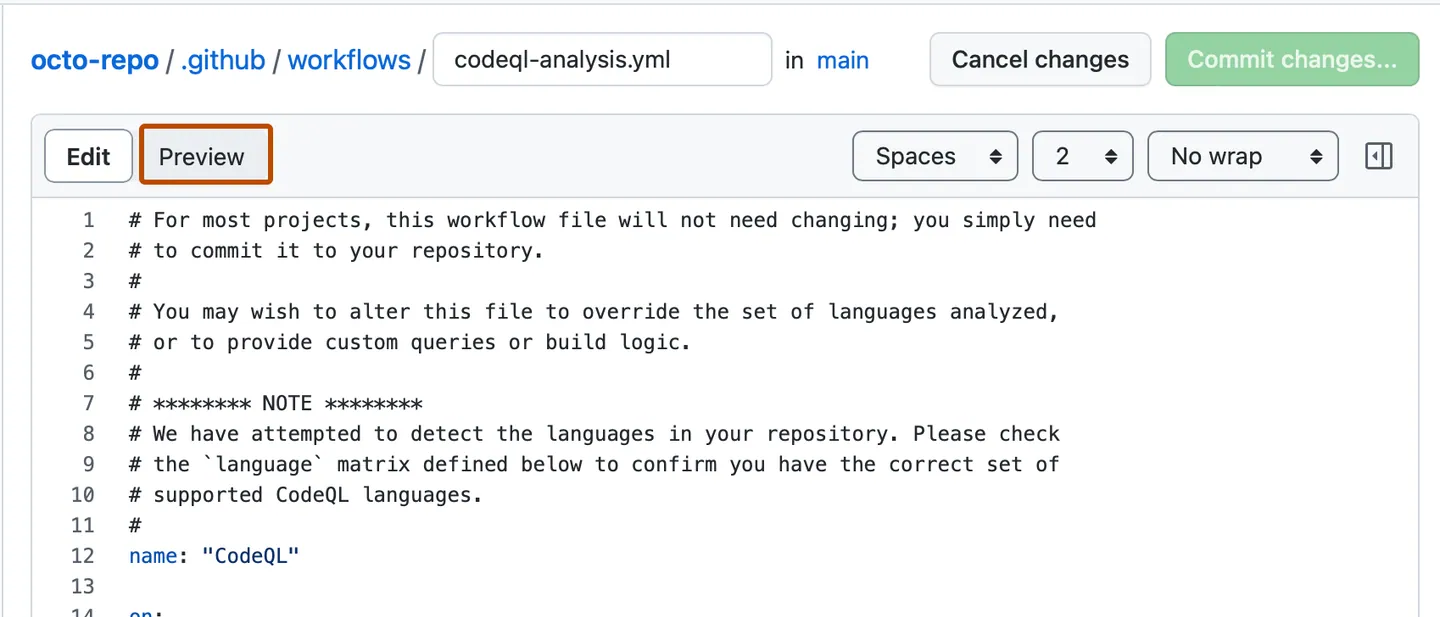
Click Add file > Create new file

Name your file README.md and add:
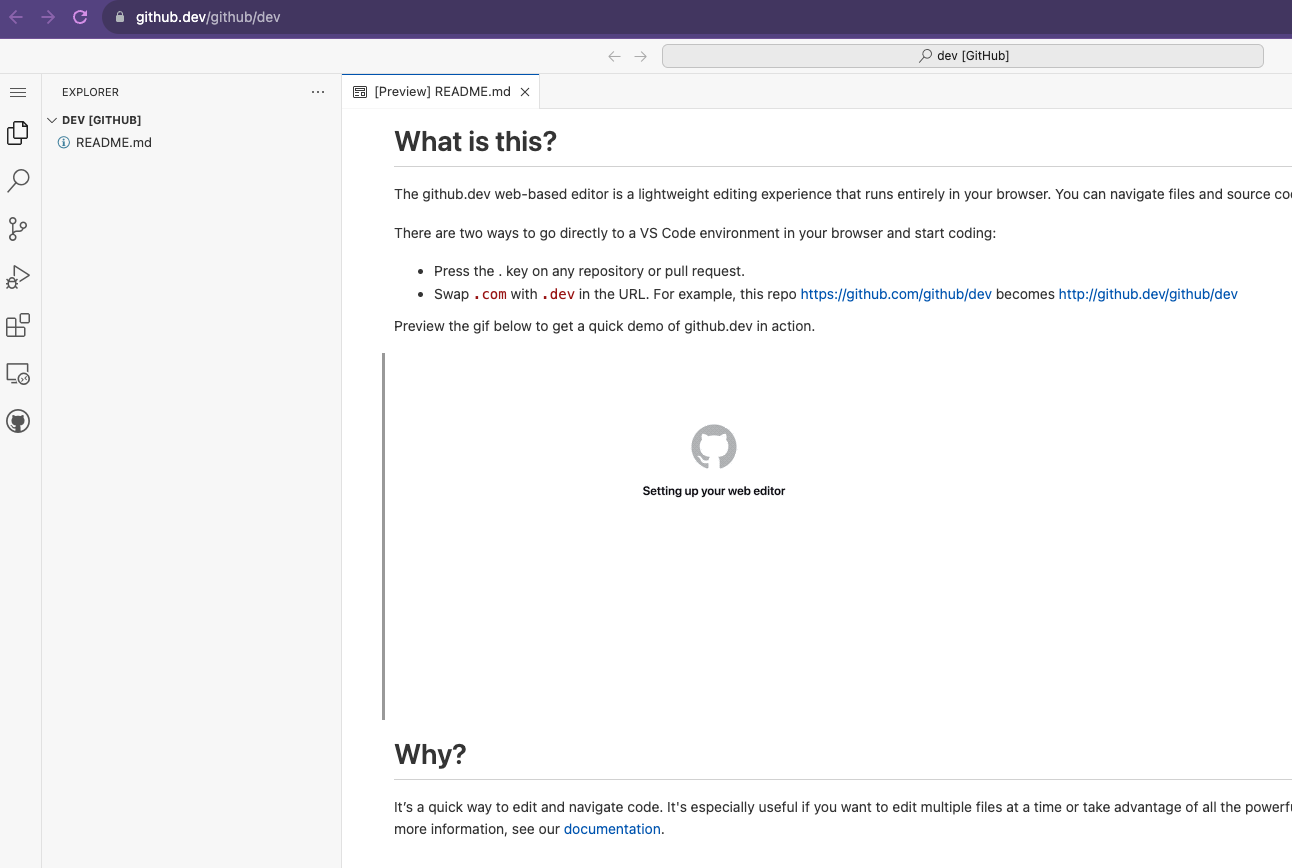
Change github.com to github.dev in your URL. So for us, we would change https://github.com/[USER NAME]/is310-first-repo to https://github.dev/[USER NAME]/is310-first-repo.
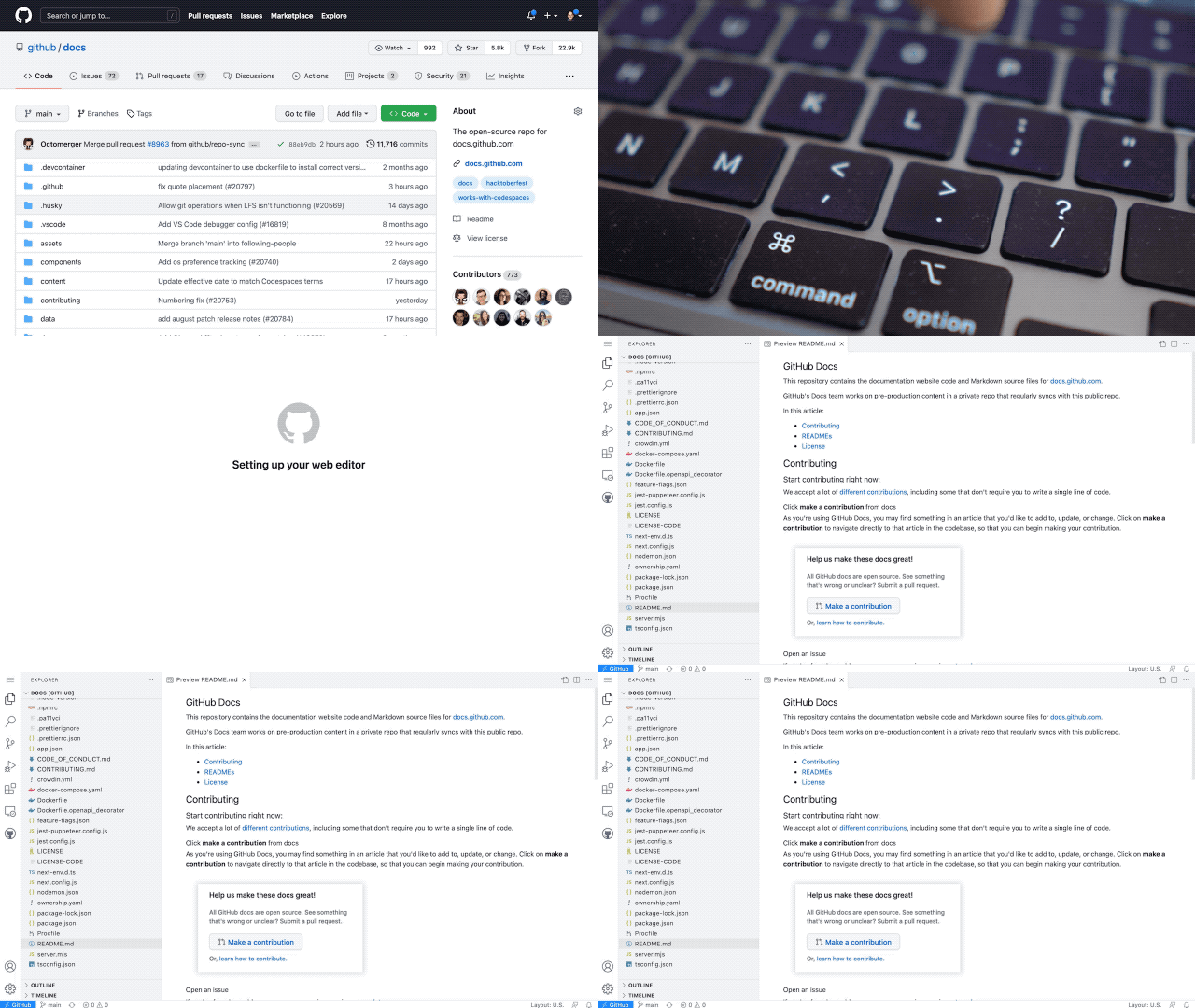
GitHub Dev
Or press . on any repository

It’s VS Code in your browser! You can read more about it https://docs.github.com/en/codespaces/the-githubdev-web-based-editor.
Now we have two versions:
They have different files! How do we sync them?
remote: Enumerating objects: 4, done.
remote: Counting objects: 100% (4/4), done.
remote: Compressing objects: 100% (2/2), done.
remote: Total 3 (delta 0), reused 0 (delta 0), pack-reused 0
Unpacking objects: 100% (3/3), 935 bytes | 233.00 KiB/s, done.
From github.com:ZoeLeBlanc/is310-first-repo
* branch main -> FETCH_HEAD
d8dad7b..832b673 main -> origin/main
Updating d8dad7b..832b673
Fast-forward
README.md | 1 +
1 file changed, 1 insertion(+)
create mode 100644 README.mdNow ls shows the README.md file locally!

git add <file>git commit -m "message"git push origin maingit pull origin mainis310-coding-assignments.is310-coding-assignments and enable it as a git repository.README.md within is310-coding-assignments.ai-chat-log.md if you use AI for the assignment.images within is310-coding-assignments.# Init IS310 Homework
## Proof of Installation
1. Python

2. Git

3. VS Code

4. Hypothesis Username
5. AI Tool/Workflow
Detail what AI tool, if any, you plan to use this semester.If you use AI to help complete this assignment, include:
Remember to connect local to remote first:
Post your repo link in the first GitHub discussion!
Key takeaways:
See also: Advanced Git & GitHub
We are thinking about two connected problems:
Working question: What changes when we call this course Culture As Data?
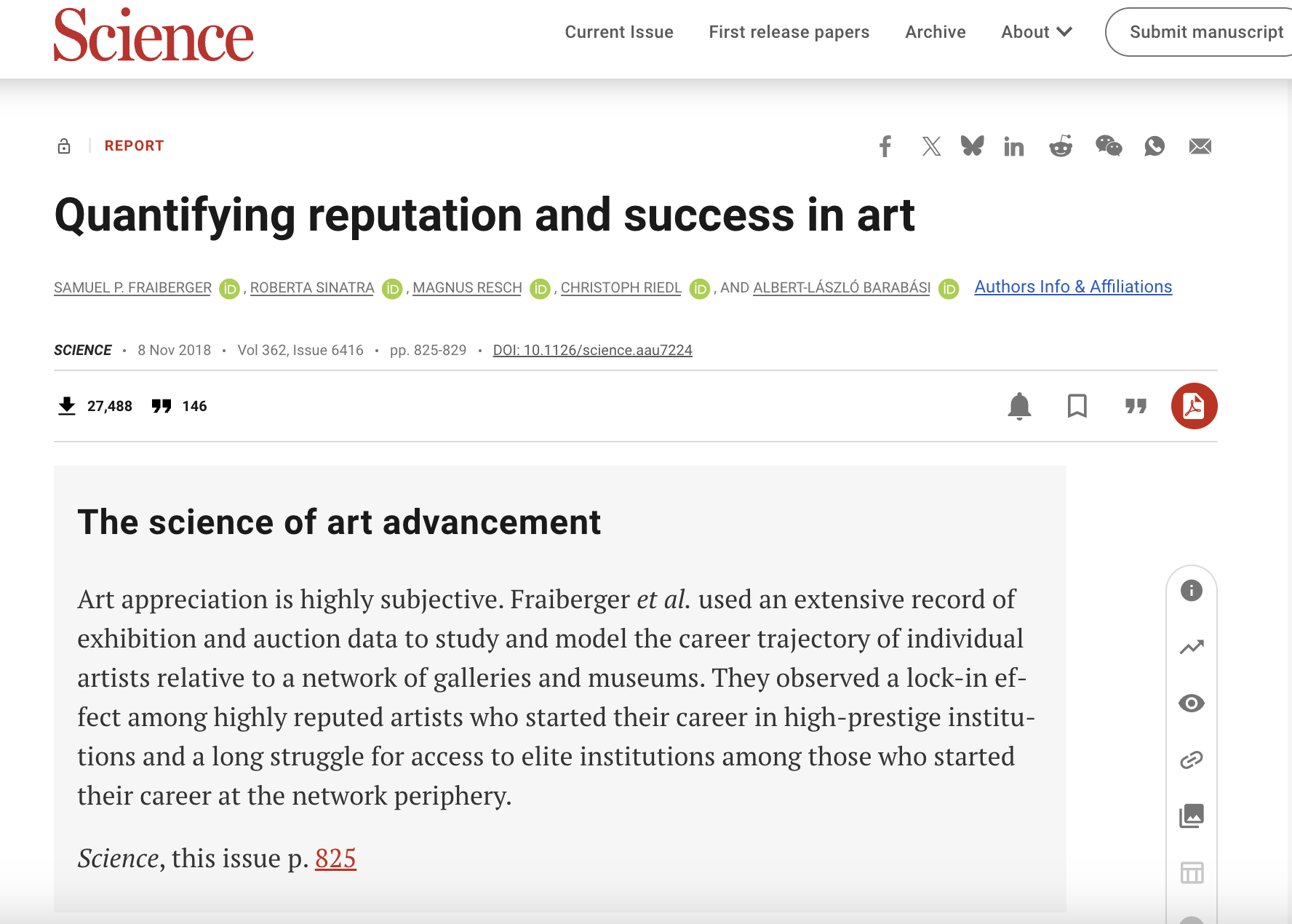
What do both say about art history?
How does this differ from social networks? Is everything a network?
| Term | What It Means Here |
|---|---|
| Network science | A method for studying relationships among nodes. |
| Social networks | Platforms or communities where people connect and leave traces. |
| Network as metaphor | A way we now describe almost everything: influence, publics, infrastructure, culture. |
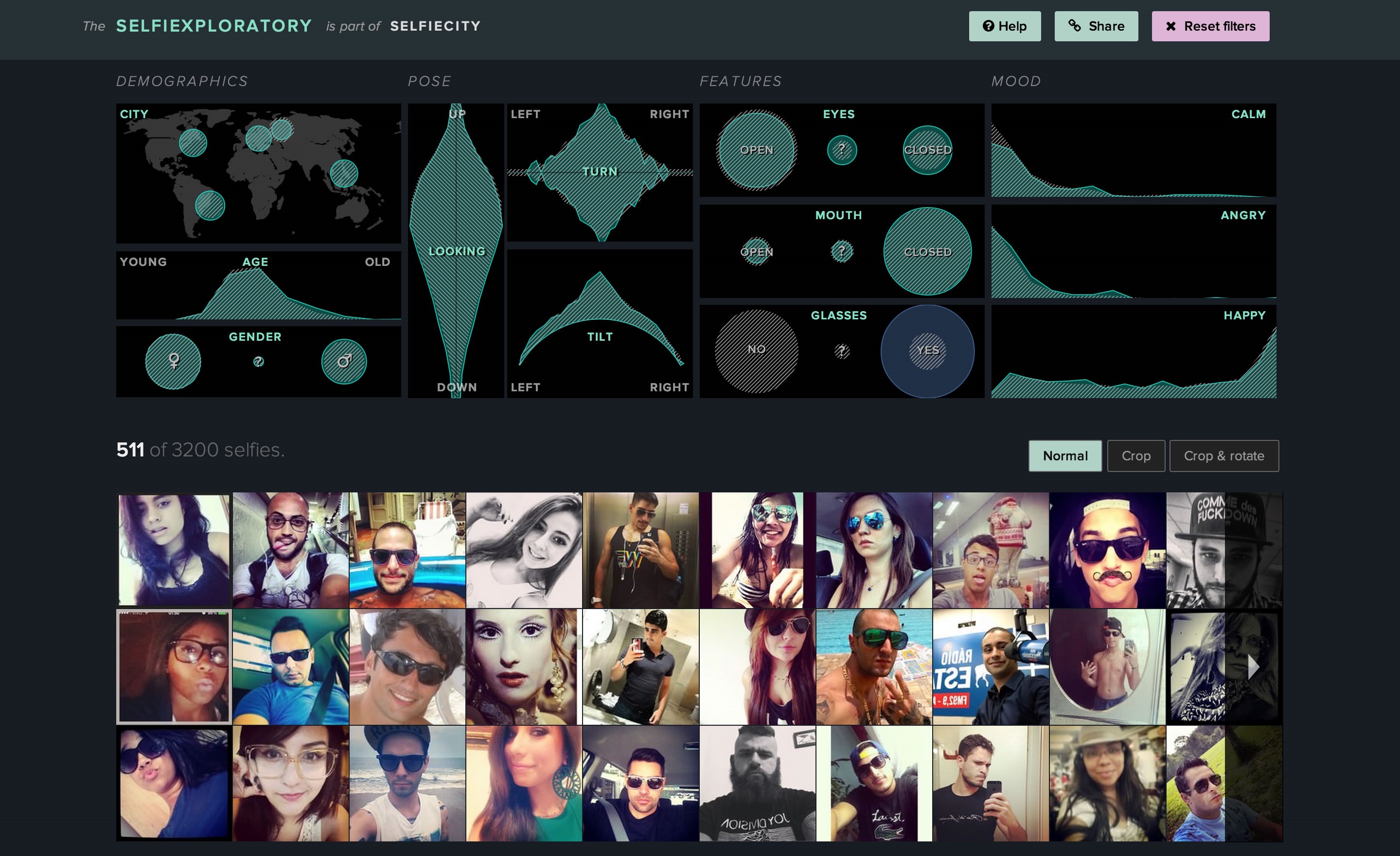
Let’s explore this project! What trends do you notice?
How might we use data to understand the boundaries or definitions of disciplines?
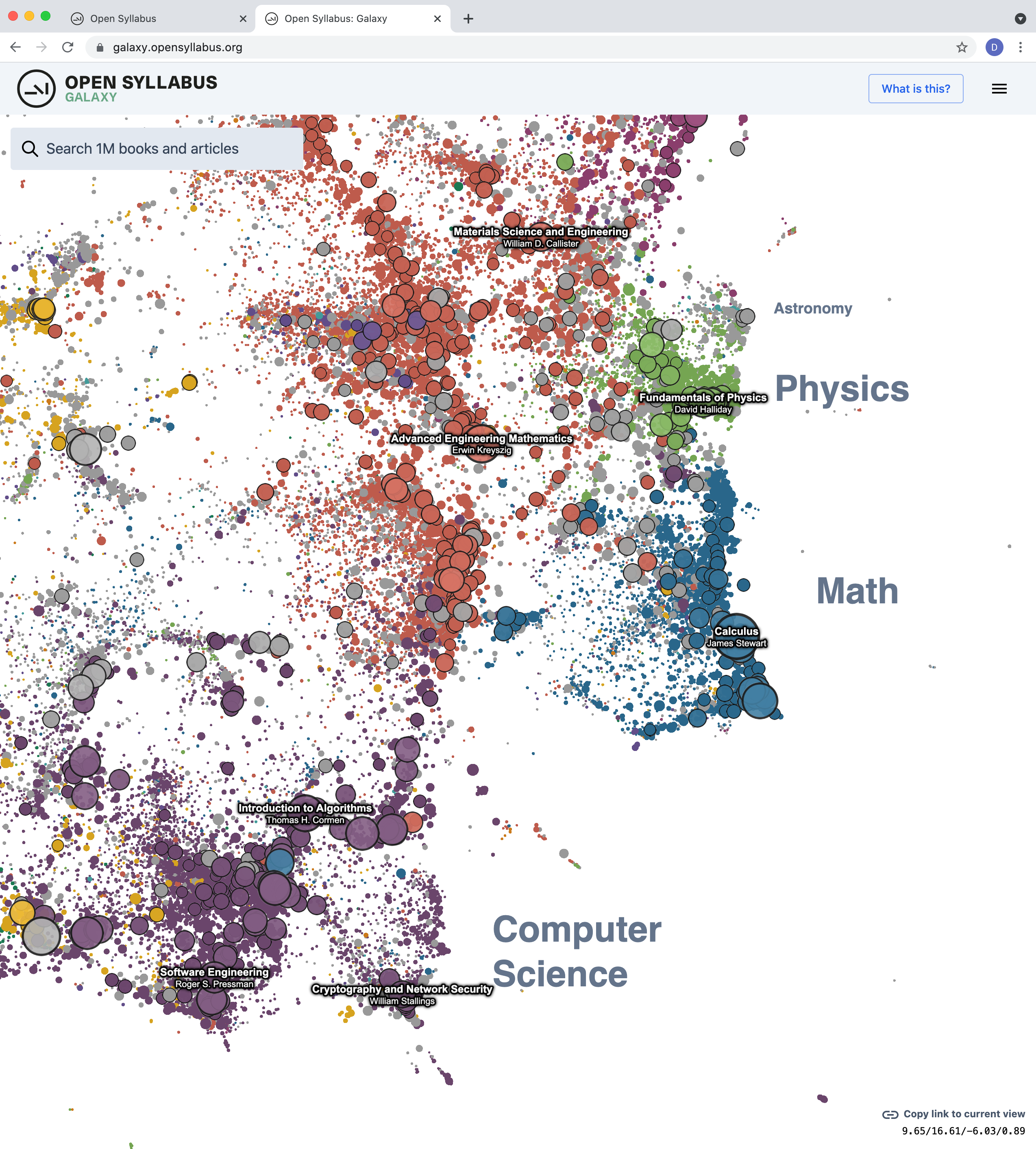
Where is cultural analytics in the Open Syllabus Project?

What are the challenges with humanities data? What makes it different from other types of data?


This is why, more than anything else, I think digital humanities is here to stay. If you can analyze something computationally, I think it’s going to be really hard to tell people that they shouldn’t.
What does it mean to represent a cultural object, process, or experience as data that can be then analyzed computationally? What elements of these objects, processes, and experiences can be captured, and what remains outside? How can we represent people interactions with computational cultural artifacts and systems that can react to human behaviors, communicate with them (e.g., as AI interfaces can), and act in seemingly intelligent ways? These are all fundamental questions for cultural analytics.
| Category | Examples |
|---|---|
| Media | Images, videos, music, games, websites, apps, artworks |
| Behaviors | Likes, shares, ratings, purchases, searches, physical actions |
| Interactions | Gameplay, app use, VR/AR activity, software-mediated choices |
| Events | Performances, exhibitions, festivals, protests, workshops |
Manovich also distinguishes:
Why separate these?
Manovich also distinguishes:
Why separate these? What is Born Digital Vs. Digitized?